
Convert WebP to JPEG (WebP to JPEG)
Convert WebP to JPEG online. Drop a WebP and get a JPEG back at roughly 112% of the original byte cost. No sign-up, nothing saved.
- Plays in every email client
- No account required
- Nothing saved


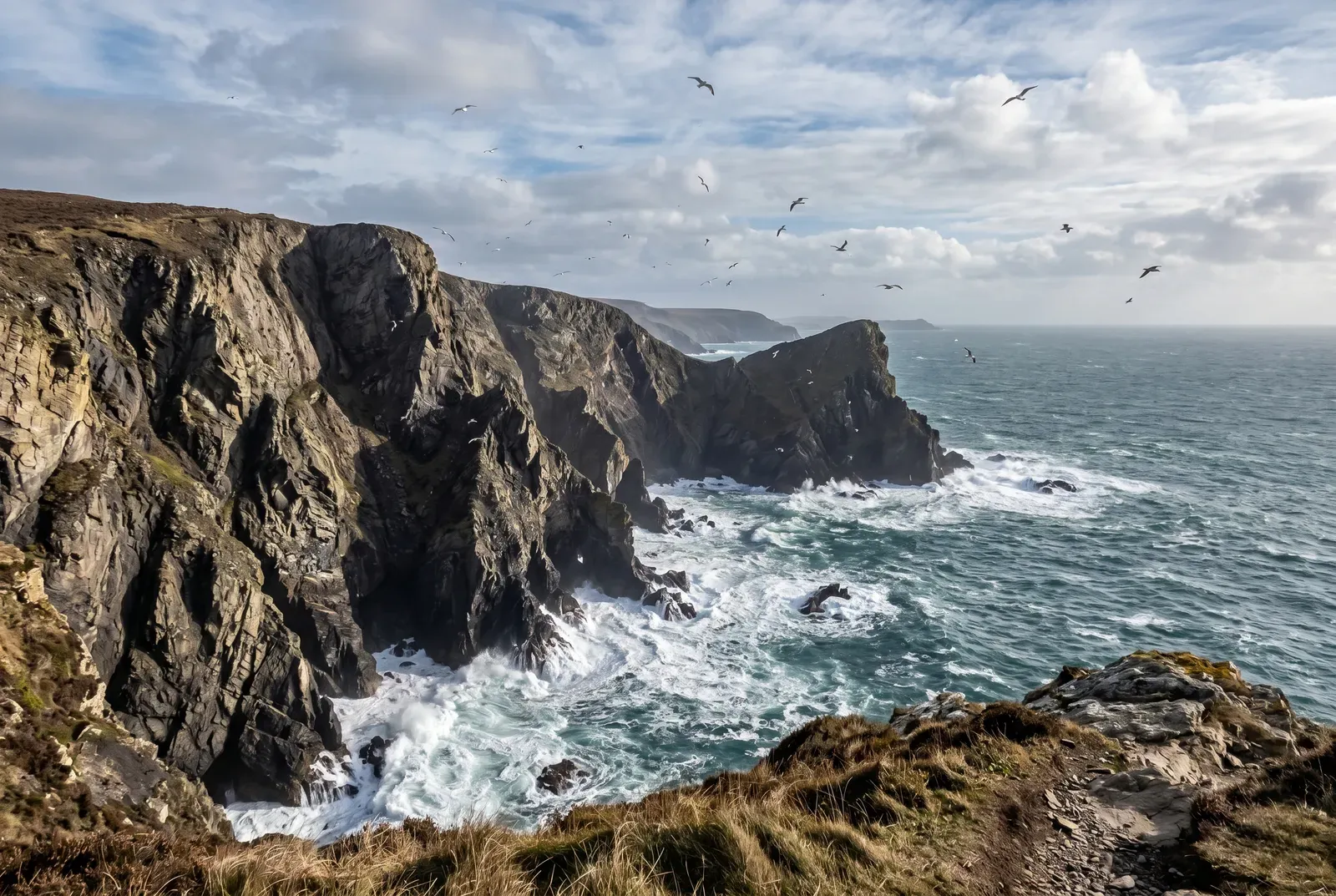
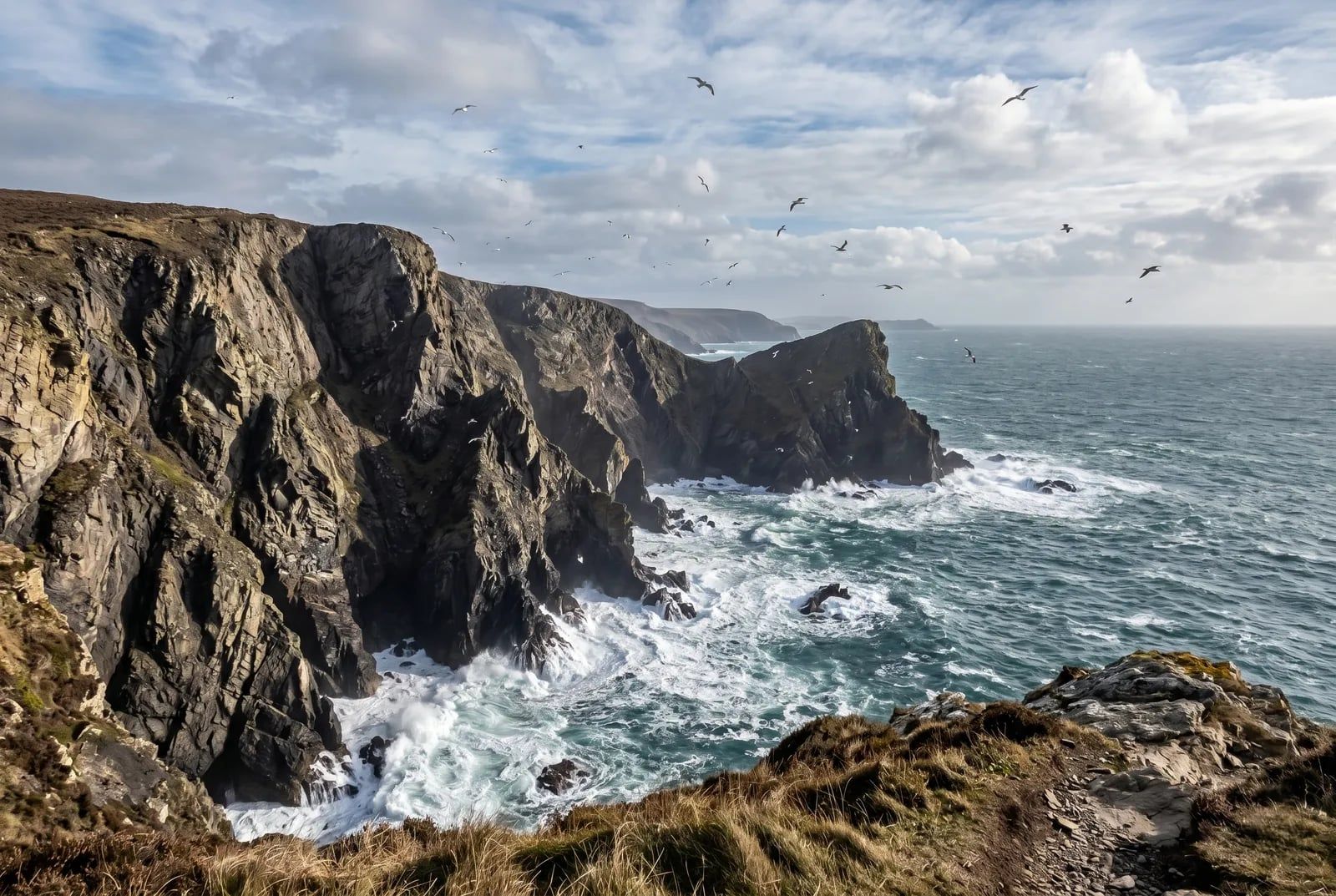
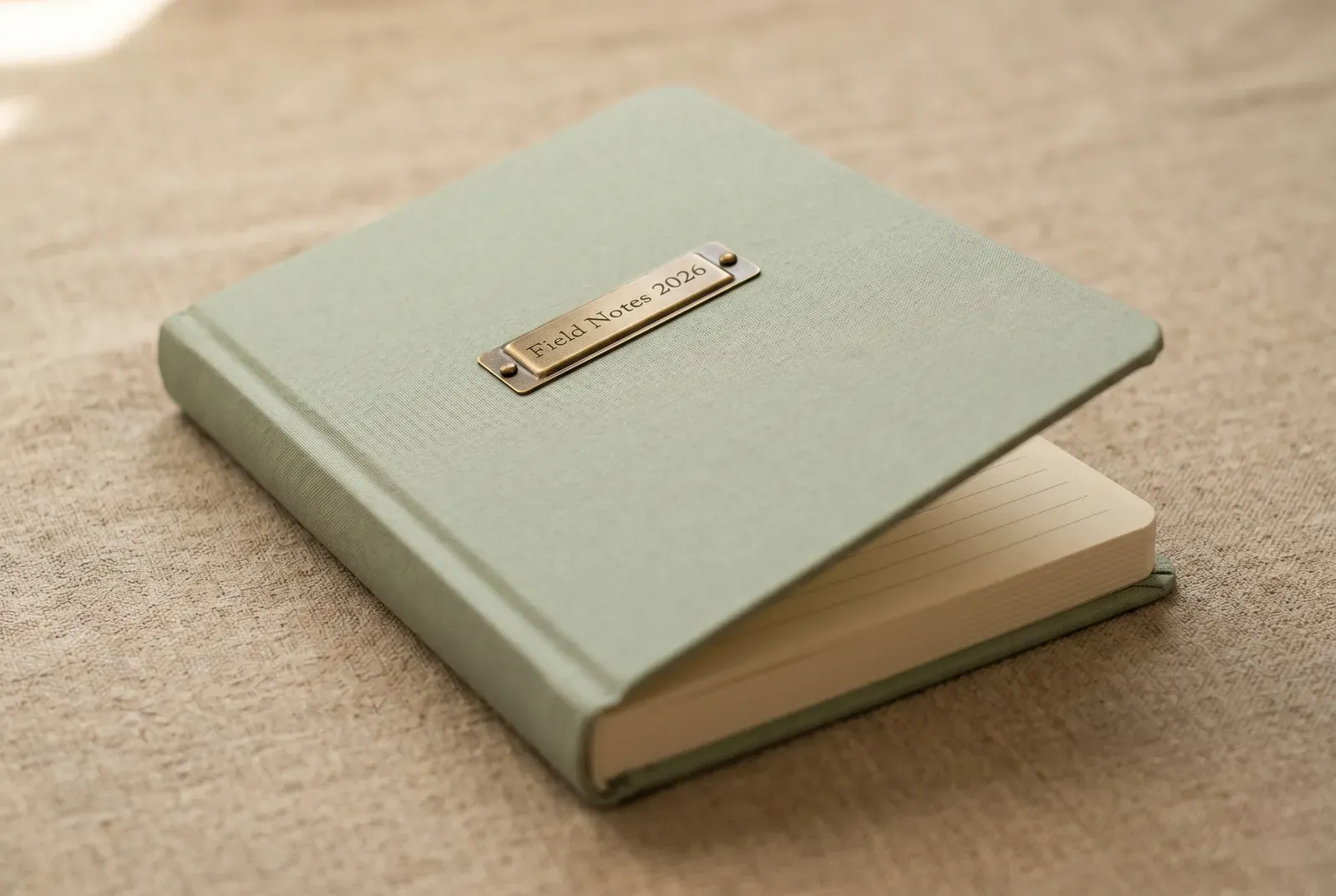
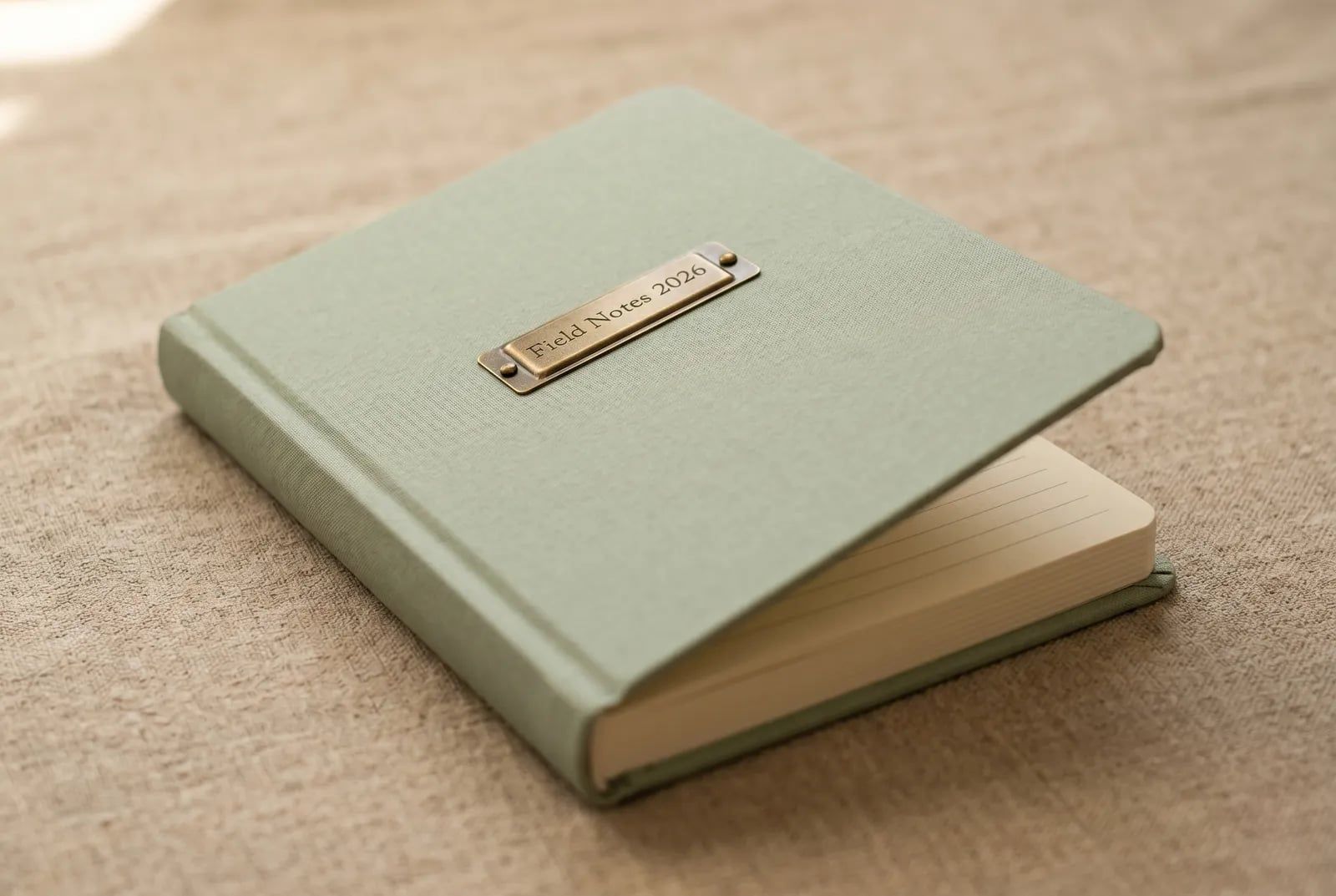
Drag to compare, before / after
Overview
Convert WebP to JPEG. This tool re-encodes a WebP into a JPEG so the image plays in environments that still cannot read WebP. The output is larger (roughly 112% of WebP byte cost in reverse), and that is the point: you are trading size for reach. One image per request, nothing saved.
JPEG (JPEG) was standardised in 1992 and is supported in essentially every image-aware environment: every browser, every email client, every CMS importer, every mobile OS photo picker, every print workflow, every legacy Android WebView. When a pipeline rejects WebP, JPEG is almost always the safe fallback that gets through without a renegotiation.
WebP (WebP) is the more modern codec on the pair. It compresses better than JPEG by design, so a conversion in this direction is a deliberate downgrade. The reason to do it is never aesthetic. It is compatibility: the downstream viewer (an email client, an old CMS, a vendor portal, an ancient imaging workflow) still refuses WebP and you have no route to fix it on their side.
The trade-off is a known size penalty: JPEG at visual parity is materially larger than WebP, often 112% or more against WebP. In exchange you get a file that opens anywhere. Visual quality at the default target is indistinguishable from the WebP for photographic content; flat-colour regions compress slightly worse in JPEG, and fine-detail gradients may show modest perceptual softening at very aggressive quality settings.
When NOT to convert WebP to JPEG: when the delivery target actually supports WebP (roughly 100%% of modern browsers do), because shipping JPEG wastes bandwidth for no user benefit. When you need pixel-exact archival retention (use PNG or the original WebP). When the source is a screenshot, dense text, or a UI mock: JPEG degrades sharp edges more than WebP does.
Your upload is held only while we transcode it. The resulting JPEG comes back on a one-time download link and is deleted the moment you fetch it. Nothing about the WebP you uploaded is saved, indexed, or used for training. Converting WebP to JPEG on BouseMutton is a quiet one-shot operation that leaves no state behind on our servers.
WebP to JPEG at a glance
The numbers and trade-offs you need before you commit.
JPEG vs WebP size penalty
At visual parity, JPEG typically needs materially more bytes than WebP. Treat the size penalty as the price of reach, not a bug.
Universal support
JPEG plays in every browser, every email client, every CMS, and every print workflow. It is the safe fallback when WebP is rejected.
Year standardised
JPEG dates from 1992. Its age is exactly why legacy environments accept it without issue.
Visual quality parity
At the default target, the JPEG is visually indistinguishable from the source WebP on photographic content at normal viewing distance.
Metadata passthrough
EXIF and ICC colour-profile metadata are preserved through the conversion. Run the EXIF strip tool separately if you need to remove them before publishing.
Edge cases to watch
Screenshots, UI mocks, and dense-text images degrade harder in JPEG than in WebP. Reach for PNG instead of JPEG for those sources.
When not to convert
If the delivery target already accepts WebP (about 100%% of browsers), ship the WebP and save the bytes.
How it works
Three steps, usually done inside five seconds.
- 1
Upload a WebP
Drop a WebP up to 25 MB, or paste from the clipboard. No sign-up, no credit card, no account.
- 2
We re-encode it as JPEG
We transcode your WebP to JPEG at a default quality that matches the source visually for photographic content. Metadata is preserved unless you strip it separately.
- 3
Download your JPEG
Your JPEG comes back on a one-time download link that plays in every email client, CMS, and legacy viewer. The file is deleted once you fetch it.
See it in action
Drag each slider to pixel-peep the before and after.


Your image, gone when you're done
Your upload is held only while we transcode it. The resulting JPEG comes back on a one-time download link and is deleted the moment you fetch it. Nothing about the WebP you uploaded is saved, indexed, or used for training. Converting WebP to JPEG on BouseMutton is a quiet one-shot operation that leaves no state behind on our servers.
- Processed in seconds
- Nothing saved
- No account linked
Upload an image
One click. No signup. We'll do the rest.
Convert image format
Need to process more than one image?
The free Convert WebP to JPEG (WebP to JPEG) runs one image at a time. A credit pack unlocks up to 50 images per batch, a single ZIP download, and three named presets (Blog / Social / Ecom). From €5 for 100 credits. Pay once, never expire.
Glossary for WebP and JPEG
Plain-English definitions for the jargon above.
Frequently asked questions
Answers to the things most people ask before trying a new tool.
Related tools
One-click jumps to other jobs this image probably needs.
Compress image
Shrink an already-converted image further without changing its format, for bandwidth-constrained pages.
Strip EXIF metadata
Remove camera, GPS, and device metadata before publishing the converted image publicly.
Rotate sideways photos
Bake EXIF orientation into the pixels so the converted file renders correctly in every viewer regardless of orientation tag support.
Related reading on WebP, JPEG, and compatibility fallbacks
Other tools that pair well with this one.
- Browse all format convertersSee the full set of WebP and JPEG tools on BouseMutton, including compression, EXIF stripping, and resize.
- WebP -> AV1 Image File FormatAlso converting WebP to AV1 Image File Format? This tool handles the same source in a different target format, for cases where the codec choice differs.
- Portable Network Graphics -> JPEGRun Portable Network Graphics through this tool before or after conversion to JPEG, depending on the workflow step you are at.
- Compress imageShrink an already-converted image further without changing its format, for bandwidth-constrained pages.
Citing or sharing?
Copy a concise Markdown summary (title, description, FAQ, canonical URL, and citation) ready to paste into an LLM or a doc.